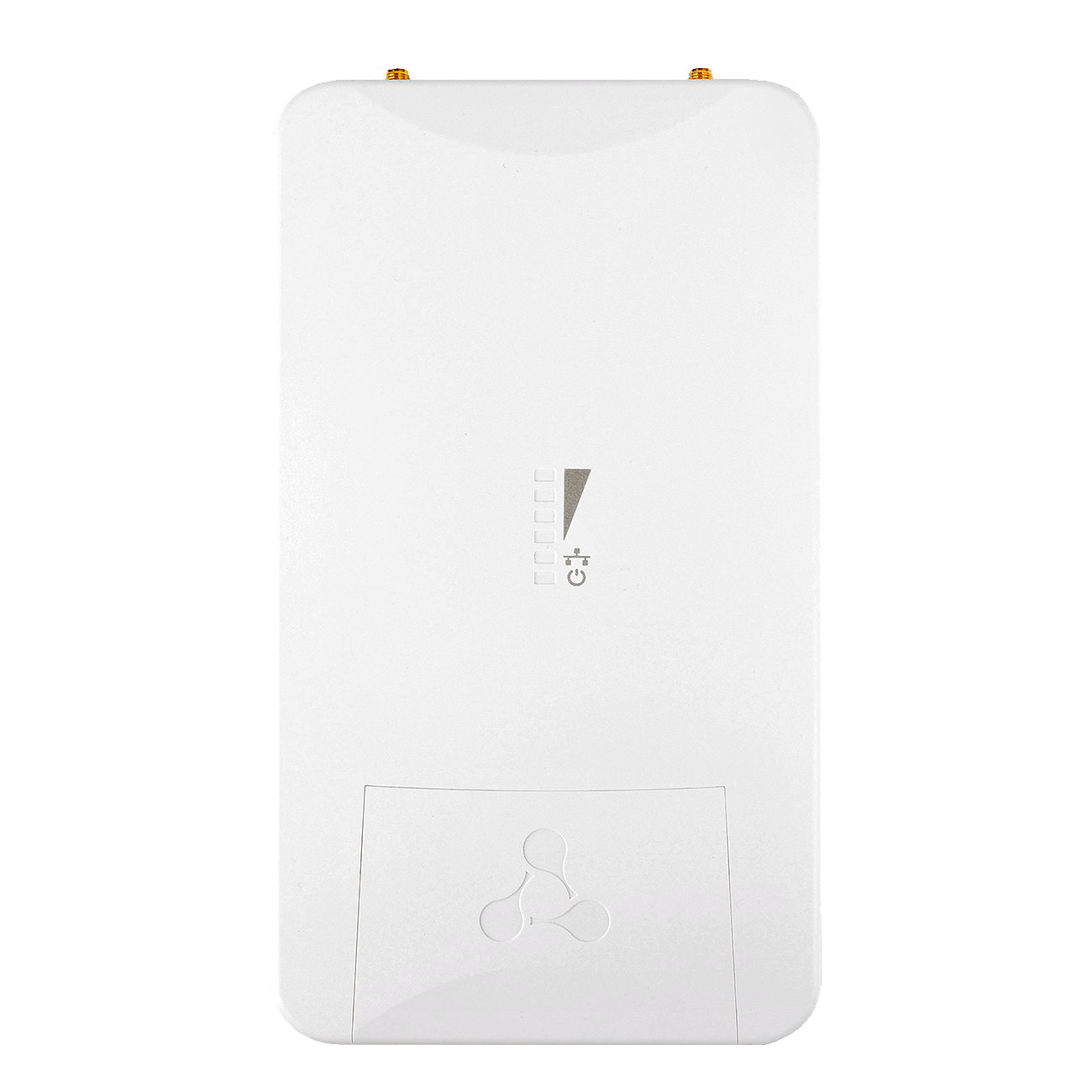

Description
In remote and hard-to-reach locations — industrial facilities, difficult climate and terrain conditions, laying fiber-optic transmission lines is often economically impractical or technically impossible. An effective solution for building a network is Broadband Wireless Access (BWA), a technology that enables the establishment of radio links for communication between geographically distributed nodes. This infrastructure ensures high data transmission speeds via Wi-Fi, reliable protection against unauthorized access, and scalability without the need for physical cabling.
The broadband wireless access networks are widely used in the oil and gas and mining industries, where it is critical to establish control over a facility, enable remote management of stationary and mobile complexes, organize a video surveillance system and other security elements. Due to its autonomy and flexibility, the solution is also used in shift camps, expedition camps, festivals and tourist sites in hard-to-reach areas.
Eltex offers a comprehensive approach for building a broadband access network using point-to-point (PTP) and point-to-multipoint (PMP) topologies. The solution is based on wireless bridges, base and subscriber stations.
Solution architecture
The solution uses a range of broadband access equipment that we have been developing for over ten years. In 2025, the third-generation devices based on Wi-Fi 6 and Wi-Fi 6E will be released – this is the result of multi-year practice, regular load, climatic and range tests, as well as feedback from partners after using previous models of the series.
All devices of this series support software configuration of such operating modes as PTP access point, PMP access point, and client. This ensures versatility in building various network topologies. The main improvements in the third generation concern both the hardware platform and the operating logic.

In the third-generation base and subscriber stations, we have abandoned the classic Wi-Fi model and Polling, implementing support for our own TDD (Time Division Duplex) protocol. This is a technology in which data transmission and reception occur at the same frequency, but alternately in time. The communication session is divided into short time intervals – time slots, each of which is allocated either for transmission or reception. The time slot duration is measured in milliseconds. This approach provides flexible management of radio link resources depending on the current load, ensures uniform time distribution between subscribers or guaranteed channel bandwidth for subscribers and predictable network behavior even under unstable traffic conditions. This is especially important in the wireless PMP architecture, where traffic may be asymmetric (for example, when transmitting a video stream from clients to the base station).
The other features of each third-generation FBWA model are described below.
Wireless bridges
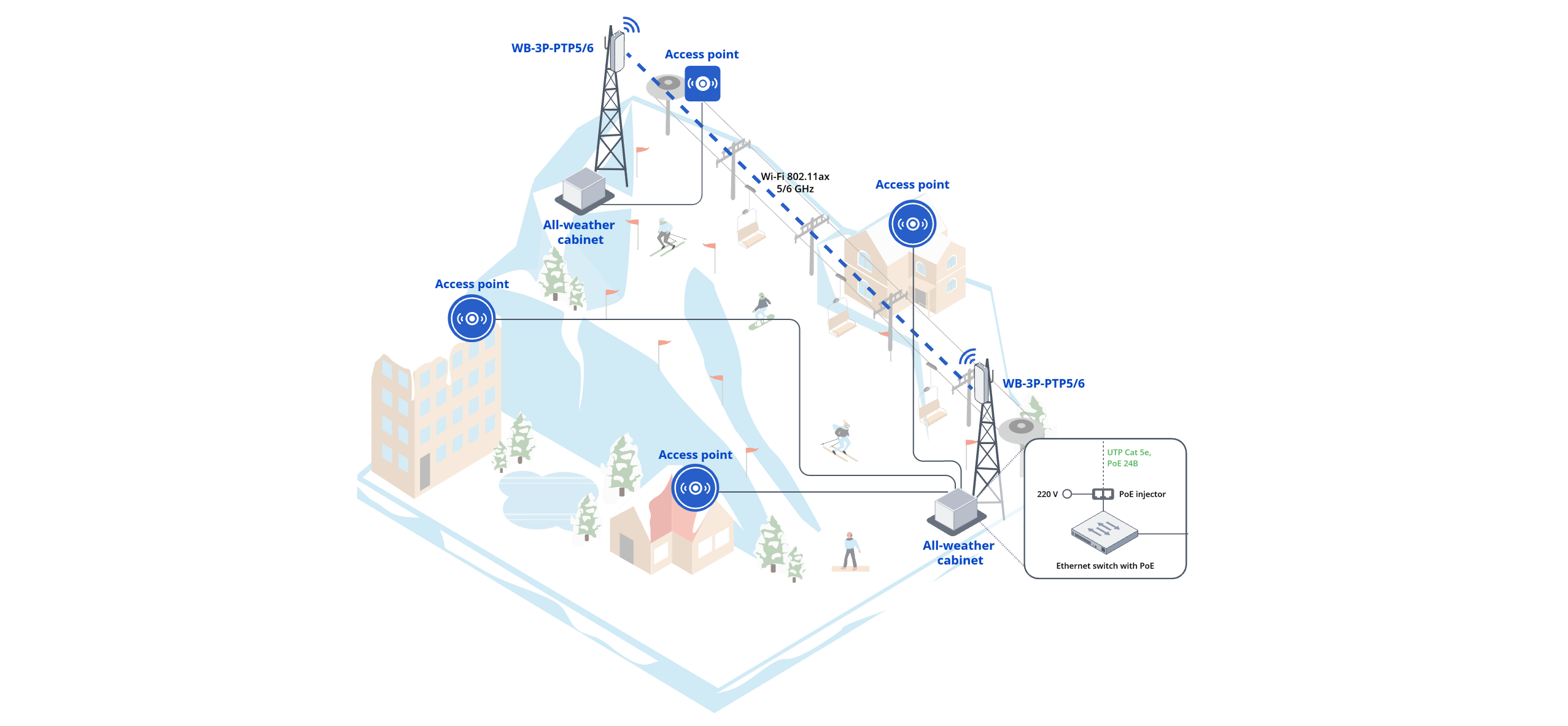
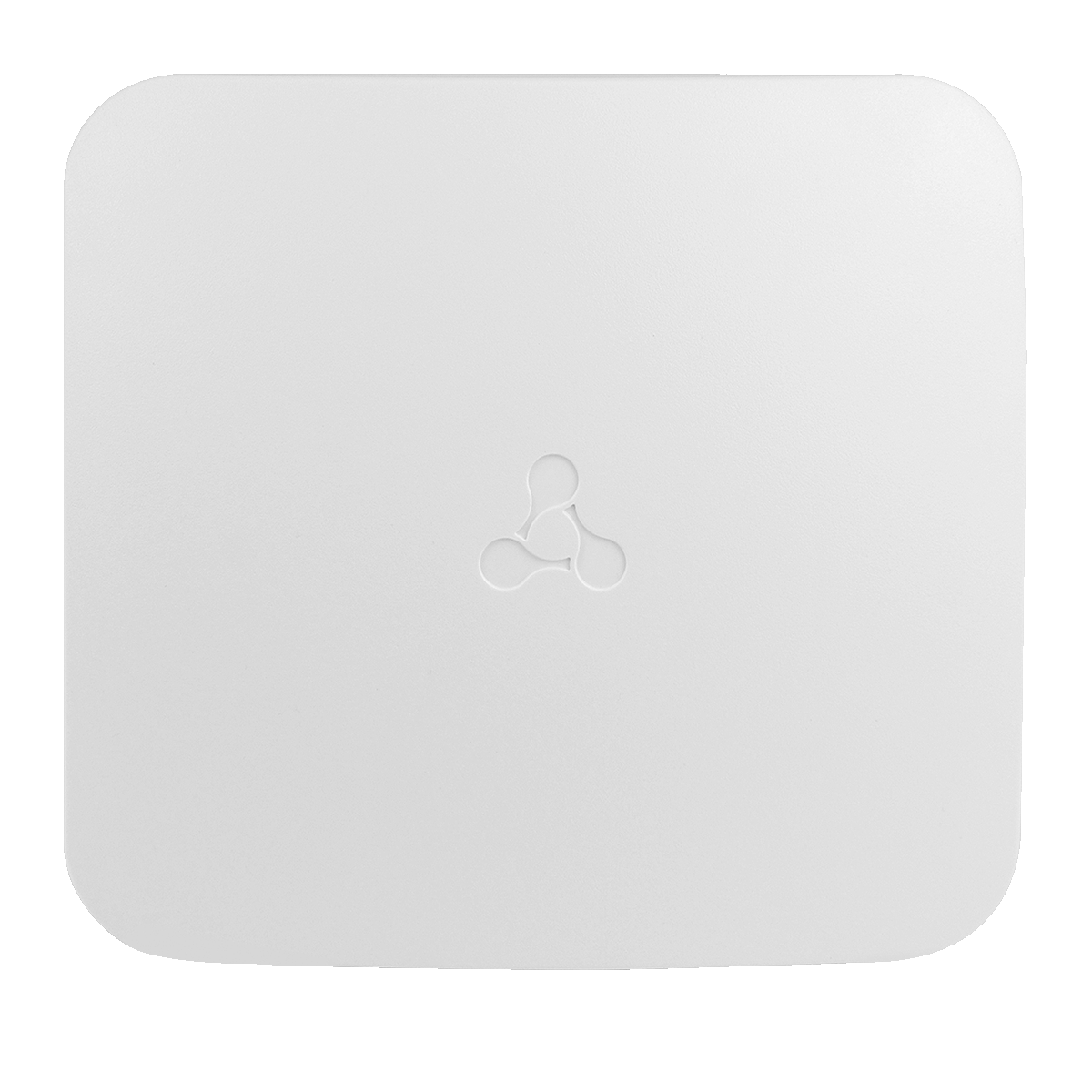
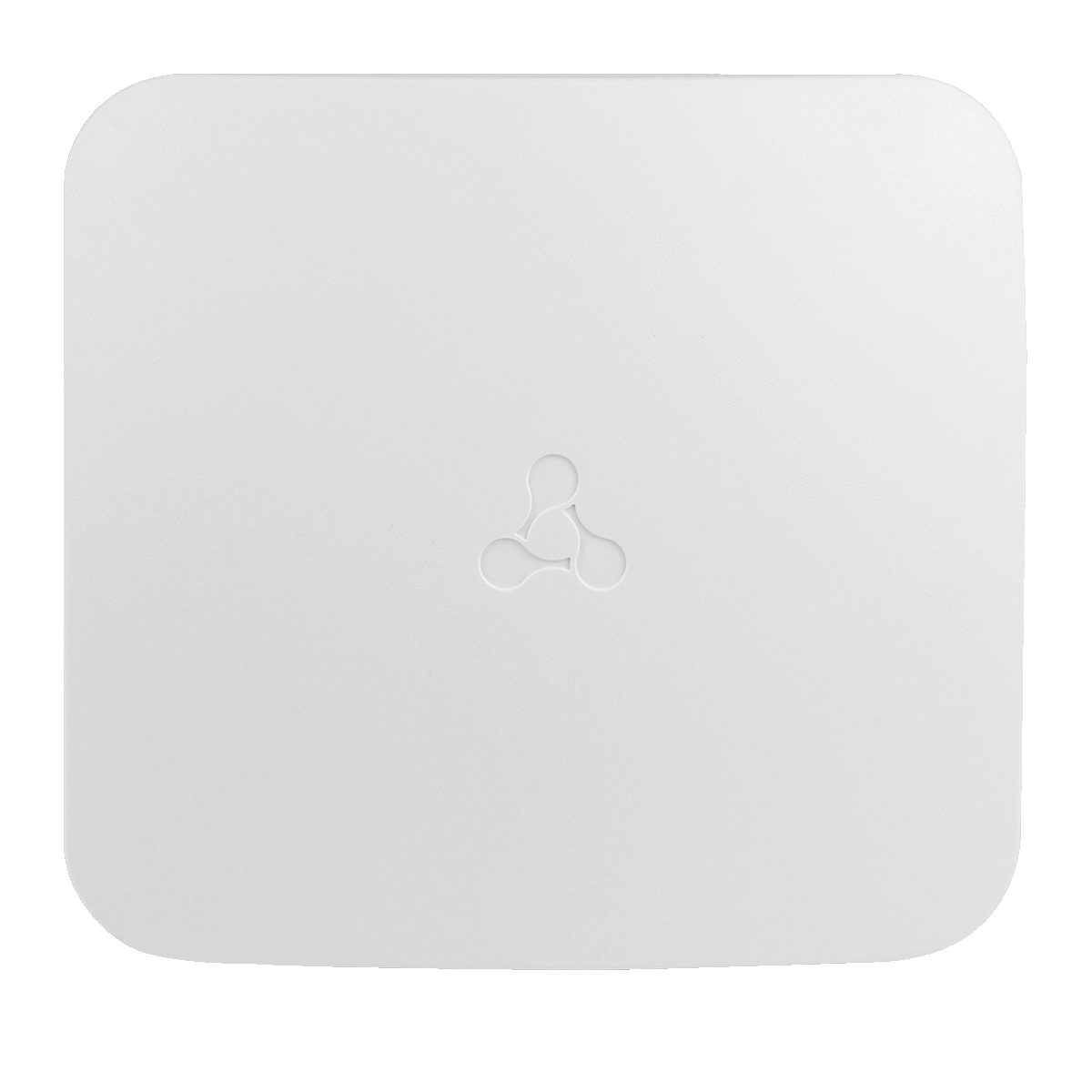
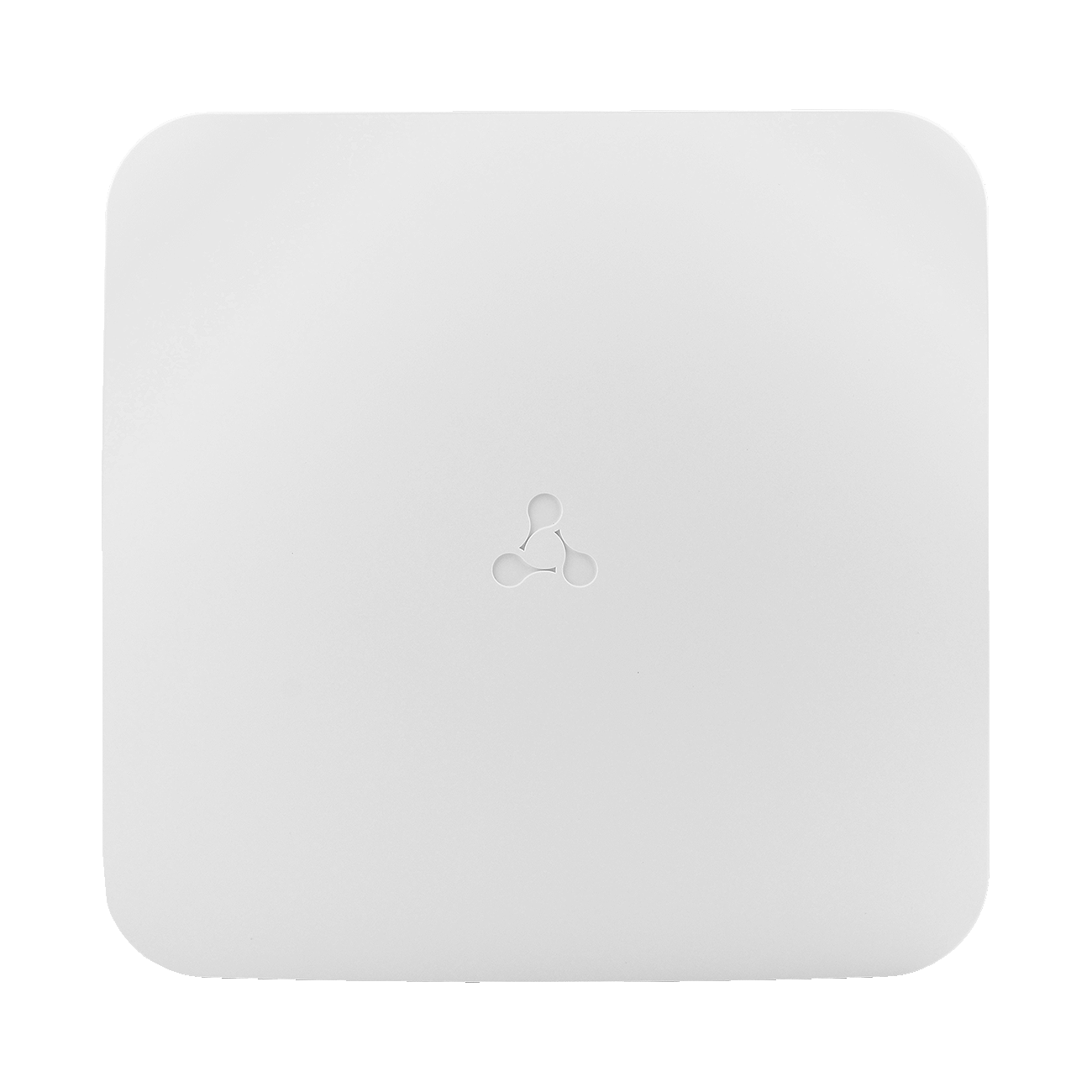
The new generation is represented by the WB-3P-PTP2, WB-3P-PTP5 and WB-3P-PTP6 radio bridges. These are high-performance solutions with Wi-Fi 6/6E support, operating in the 2.4 GHz, 5 GHz, and 6 GHz, respectively. The devices are suitable for establishing communication channels between objects with a direct line of sight up to 8 km for 2.4 GHz and 34 km for 5/6 GHz when using an offset parabolic antenna. The products can be mounted on a pole or wall. The recent release is the WB-3P-PTP6 wireless bridge. Its key features are presented below.

Base stations
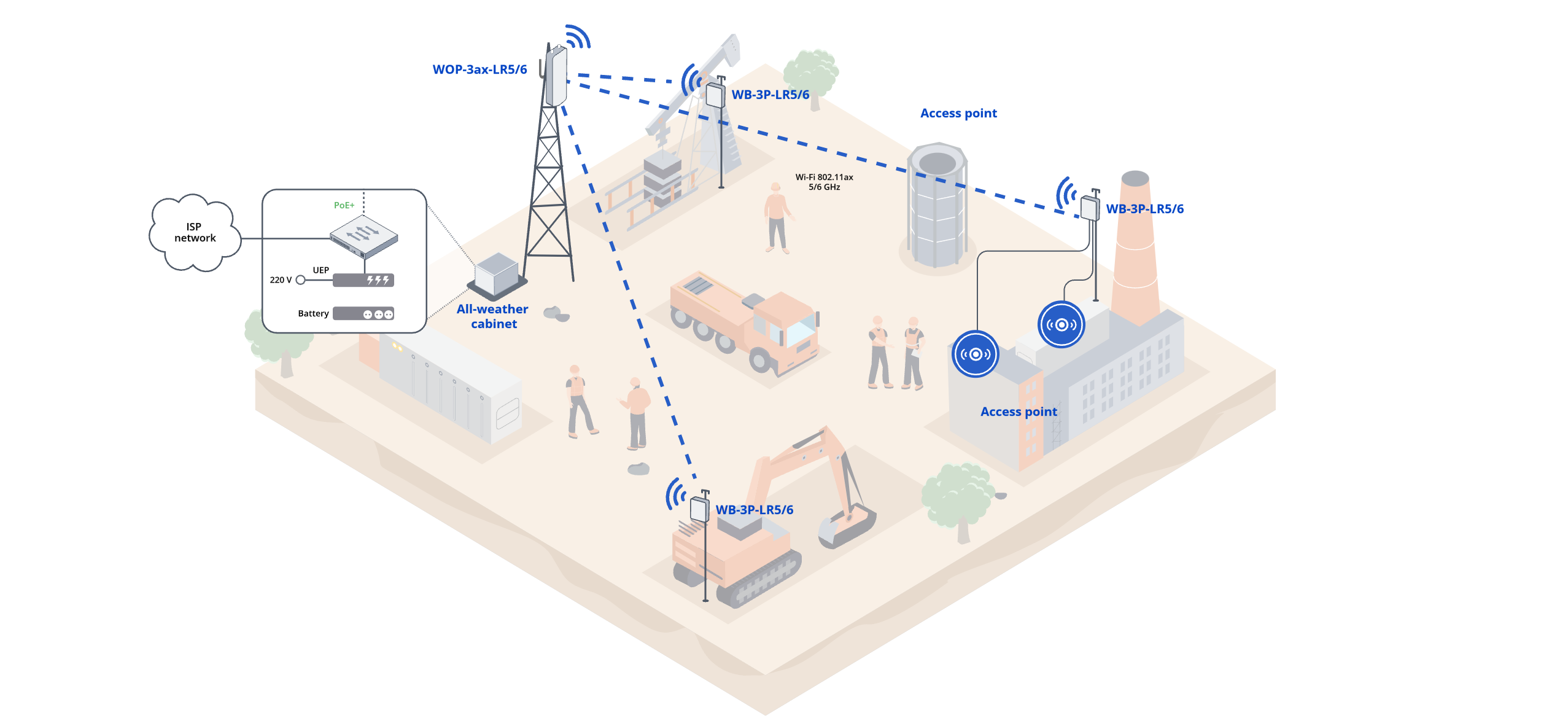
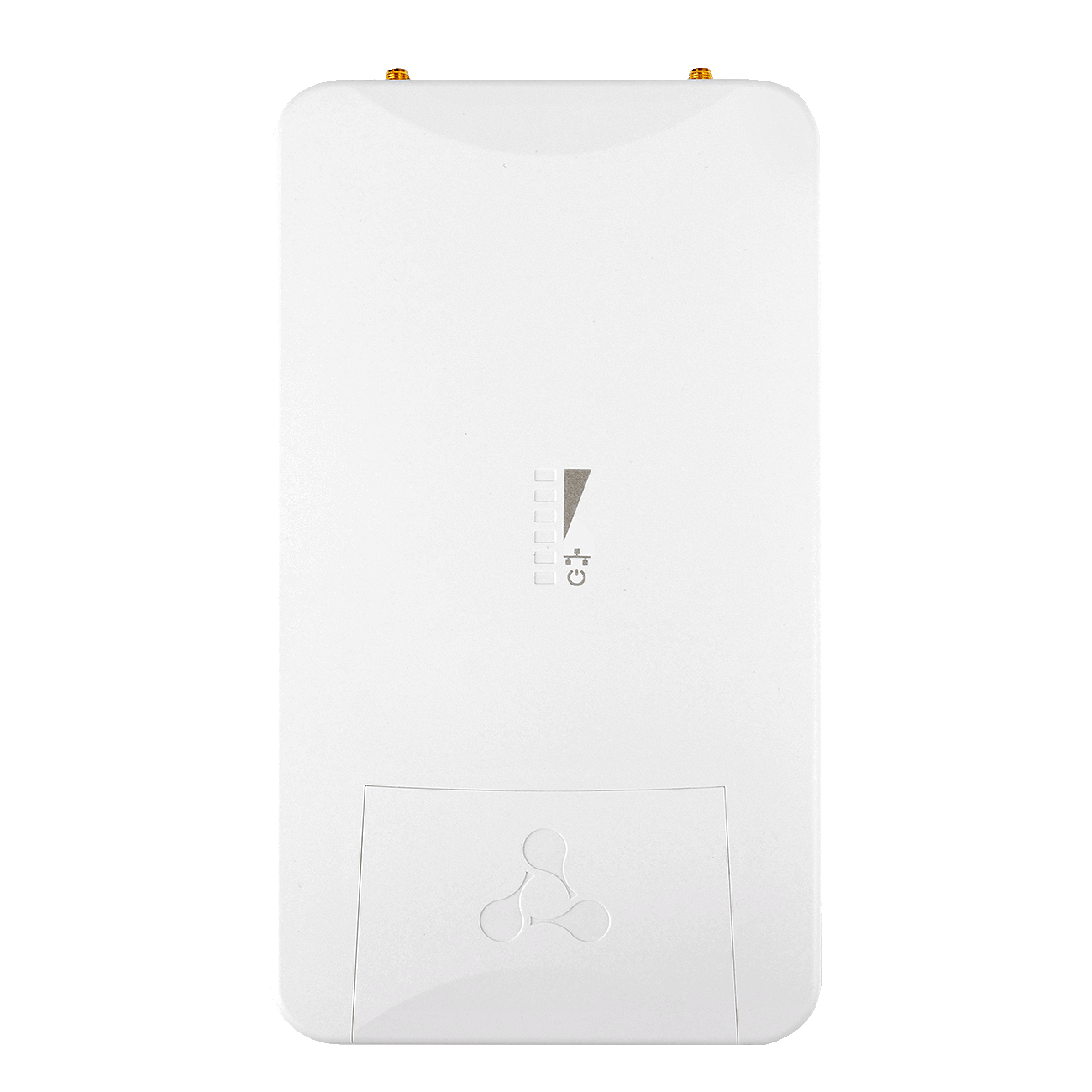
The WOP-3ax-LR5 and WOP-3ax-LR6 base stations are used to organize the last mile in private sectors and cottage villages, to connect remote buildings at industrial and agricultural facilities, temporary sites, in quarries, shift camps, as well as in resort infrastructure. The model range also supports the Wi-Fi 6/6E standard. The release of the devices is expected in the third quarter of 2025.

Subscriber stations
WB-3P-LR5 and WB-3P-LR6 are terminal devices for building a broadband wireless access network. The subscriber stations receive a signal from base stations, providing network access for terminal devices: IP cameras, payment terminals, sensors, gateways, and other equipment. WB-3P-LR5 and WB-3P-LR6 support the Wi-Fi 6/6E standard. The equipment is currently under development; mass production will be launched by the end of 2025.

Eltex devices can be used as part of comprehensive solutions. Wireless bridges, base and subscriber stations complement each other: together they allow building distributed networks in various conditions. Let us consider typical scenarios on the example of a broadband wireless access network at a ski resort (according to the PTP topology) and at a mining site (according to the PMP topology).
General solution scheme